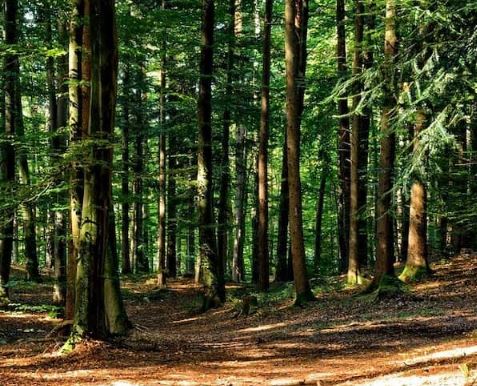
- Bill Gates is the biggest
owner of farmland in USA with over 242,000 acres, spread out
over 18 states.
- A Chinese tech
billionaire has acquired 280,000 hectares of North American
forests.
- Swedish billionaire Johan
Eliasch bought 4 lakh acres of Amazon rainforest.
- Our very own billionaire
Ambani owns 3,500 acres Vantara forest in Gujarat.
No more lavish penthouses and vineyards, the forest buying spree
comes amid a surging demand for “natural capital” investments.
World over, family offices and asset managers are scrambling to
access forestry, agriculture, timber, and carbon-credit-based
assets as part of a shift to a green economy.
Wealth of the Future
The reason is simple. The ultra-rich of the world have figured
out where the wealth of the future lies – Carbon Credits.
The global market for carbon credits is projected to be a
multi-billion-dollar industry, attracting large investments from
corporations and governments.
Carbon credits are called the "next gold" as it represents a new
asset class.
In 2023, global carbon credit market was worth $479 billion,
estimated to reach a staggering $4.7 trillion in next 5-7 years,
making it one of the largest and fastest-growing asset classes
As the world moves toward net-zero goals, the demand for these
credits is surging, particularly from corporations seeking to
meet sustainability targets and balance their carbon footprints.
The high-value projects across the world, to offset their carbon
footprint would seek carbon credits and those owning forests and
farmlands generating premium carbon credits will reap the
benefit as they will monetize emission reductions.
Conservation Or Colonialism In The Name Of Nature
While the rich investors describe their multibillion-dollar
wealth investment in forests as environment conservation, it has
also sparked a debate about “green colonialism” and whether
private ownership of vast swathes of land is the right path to
global conservation.
If the motive is social benefit - Why not buy degraded lands and
use the wealth to rehabilitate it and restore its flora and
fauna?
As per McKinsey Carbon credit trading could be worth more than
$50 billion a year by 2030. And, this is where global
billionaires are putting their bets and money.
So, what on surface may seem as philanthropy of raising
elephants or saving the nature, may actually be just another
smart investment.
Source: rprealtyplus.com


