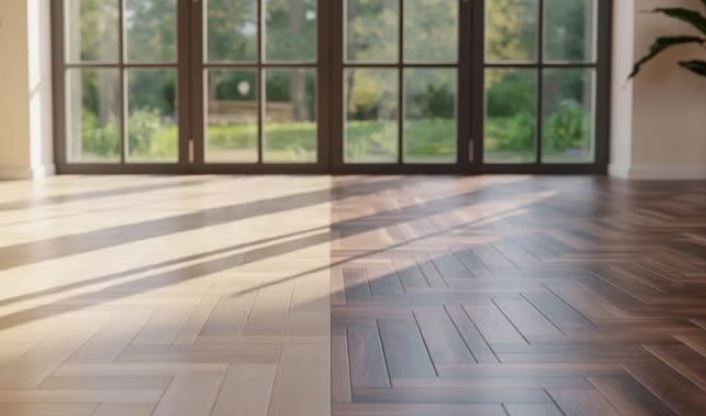
The Board of Directors of the European Parquet Federation (FEP)
met in Paris on 20 October 2026 and reviewed the latest
developments on European parquet markets.
While the first half of 2026 brought encouraging signs in
several countries, the outlook has become more cautious since
the summer. Across Europe, parquet markets are generally stable,
with some regions recording moderate growth. However,
geopolitical uncertainties, declining consumer confidence,
rising savings rates, increasing labour and energy costs, and
higher interest rates continue to weigh on investment decisions
and construction activity.
The market situation remains highly fragmented from country to
country. Several Members reported positive developments during
the first semester, particularly in renovation and project
business, but momentum weakened significantly during the third
quarter. Consumers remain cautious, and spending priorities
increasingly favour leisure and entertainment rather than home
improvement.
At the same time, costs throughout the value chain continue to
rise. Manufacturers face increasing prices for raw materials,
labour and energy, while passing on additional costs to
consumers remains difficult, especially when considering unfair
competition from imported products from China and from new
countries of origin with rapidly increasing volumes. Hardwood
sourcing has become more challenging in certain regions.
Nevertheless, important opportunities remain for the parquet
sector. In several countries, renovation activity and project
business continue to provide stability and support demand.
Overall, the European parquet market can currently be
characterised as stable but cautious. While signs of recovery
are visible in some regions, economic and geopolitical
uncertainties continue to limit confidence and investment
decisions.
Source:
parquet.net


