Bipartisan legislation recently introduced in the U.S. House of
Representatives would expand the commercial uses of low-value
timber.
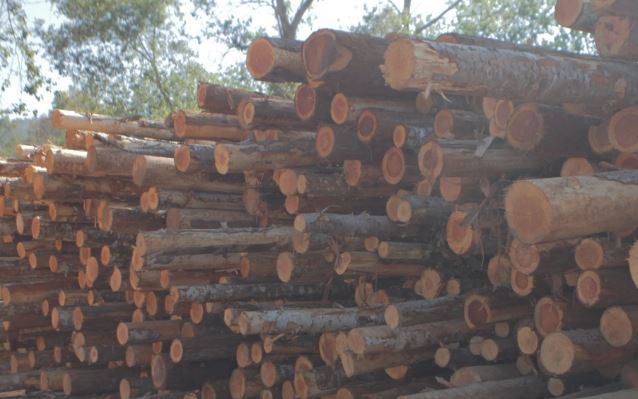
Small-diameter, sick, low strength or otherwise low-value fiber
trees contribute to forest overstocking, a contributor to
wildfires. Overstocking also prevents healthy forest ecosystems
from forming.
The Forest Bioeconomy Act would support markets and timber
communities that sell the lower-value wood. The goal is to lower
housing and building costs. It also would expand the U.S. Forest
Service’s public-private research partnerships with the goal of
building new markets for forest products.
“Forestry has sustained Pennsylvania’s rural communities for
generations, which is why I am pleased to introduce the
bipartisan Forest Bioeconomy Act,” U.S. Rep. Glenn Thompson
(R-PA), who co-sponsored the bill, said. “These commonsense
provisions will keep Pennsylvania’s forestry industry going for
years to come, and ensure businesses have the tools necessary to
meet increasing demand.”
The bill has the support of numerous organizations.
“Forest-dependent communities have long called for investments
that connect healthy forests with strong local economies,” Cole
Jenson, Rural Voices for Conservation Coalition acting coalition
director, said. “The Forest Bioeconomy Act responds to that need
by helping turn publicly funded research on underused wood into
valuable products and new opportunities for rural businesses and
workers.”
Source:
pennbizreport.com


